

Understanding the psychological effects of gambling on decision-making processes
The Psychology of Risk-Taking in Gambling
Gambling has long fascinated psychologists as a prime example of risk-taking behavior. Individuals are often drawn to the thrill of potential reward, leading to heightened emotional states that can cloud judgment. This mix of excitement and anxiety serves as a potent motivator, driving players to make decisions that may not align with their best interests. Cognitive biases, such as the illusion of control, exacerbate this behavior, leading players to believe they can influence random outcomes. Moreover, many find themselves exploring platforms like Methspin Casino, which offers various games that amplify these effects.
Furthermore, the environment in which gambling occurs—like bright lights, sounds, and the presence of other players—enhances this emotional response. These stimuli create an immersive experience that heightens arousal and further distorts rational decision-making. Many gamblers find themselves caught in the moment, making impulsive decisions that are often regrettable. Understanding this interplay between psychological arousal and decision-making is crucial in recognizing how gambling can impact behavior.
Studies have shown that gamblers often underestimate the probability of losing and overestimate their skill level, which can lead to increased betting. The excitement generated by wins can reinforce this behavior, leading to a cycle of repeated gambling despite negative consequences. To navigate these psychological traps, awareness and education are essential in promoting responsible gaming behavior.
The Role of Cognitive Biases in Gambling Decisions
Cognitive biases play a significant role in gambling behavior, influencing how players perceive risks and rewards. One prevalent bias is the gambler’s fallacy, where individuals believe past events affect future outcomes. For instance, if a roulette wheel has landed on red several times, players might mistakenly believe that black is “due.” This faulty reasoning can lead to poor betting choices and increased losses.
Another significant bias is confirmation bias, where gamblers focus on information that supports their beliefs while ignoring contrary evidence. For example, a player might remember their few wins but conveniently forget the numerous losses that led to financial strain. This selective memory reinforces the gambler’s belief in their luck or skill, perpetuating harmful betting behaviors.
Understanding these cognitive biases is crucial for gamblers seeking to make informed decisions. Awareness of how these biases influence their thinking can empower players to adopt a more rational approach, reducing impulsive decisions driven by emotional states. Tools such as self-reflection and education about odds can help mitigate the impact of these biases, encouraging smarter gambling practices.
The Emotional Impact of Winning and Losing
The emotional rollercoaster that accompanies gambling can have profound effects on decision-making processes. Winning can create a euphoric state, reinforcing the desire to gamble further. This “win high” can lead players to make impulsive decisions, as the excitement clouds their judgment. Players often chase this feeling, which can result in escalating bets and increased risk-taking behavior.
Conversely, losing can trigger a range of negative emotions, including frustration, anger, and shame. These feelings often lead to a common phenomenon known as “loss chasing,” where players continue to gamble in an attempt to recoup their losses. This cycle can quickly spiral out of control, leading to significant financial and emotional distress. Understanding the emotional dynamics of winning and losing is vital for anyone engaged in gambling, as it can help them recognize when they are falling into unhealthy patterns.
Furthermore, the impact of these emotional states can extend beyond gambling itself, affecting personal relationships and overall well-being. Players may neglect responsibilities or engage in harmful behaviors as they become consumed by their gambling pursuits. Recognizing these emotional effects can facilitate healthier decision-making processes, encouraging individuals to take breaks and reassess their gambling habits.
Social Influences on Gambling Behavior
Social influences play a significant role in shaping gambling behaviors and decisions. The presence of friends or peers can create a communal atmosphere that encourages more reckless gambling. Social validation from others can lead individuals to make choices they might not normally consider when alone, such as higher bets or riskier games. This phenomenon is often exacerbated in casino environments, where social dynamics heavily influence individual behaviors.
Additionally, societal perceptions of gambling can impact decision-making. In cultures where gambling is normalized or glamorized, individuals may be more prone to engage in risky behaviors without fully understanding the potential consequences. This normalization can diminish the perceived severity of losses, leading people to gamble more frequently and with less caution.
Awareness of these social influences is critical for anyone who participates in gambling activities. By recognizing the impact of peer pressure and societal norms, individuals can better navigate their decisions and develop a more responsible gambling approach. Engaging in conversations about gambling with friends and family can also serve as a protective factor, fostering a supportive environment that encourages responsible behavior.
Responsible Gambling Practices and Resources
As gambling continues to grow in popularity, understanding the psychological effects on decision-making is crucial for promoting responsible gambling practices. Resources such as self-exclusion programs and educational materials can empower individuals to make informed choices. Awareness of personal limits and the development of a gambling strategy can significantly mitigate the adverse psychological effects of gambling.
Support networks, both online and offline, can provide vital assistance to those struggling with gambling addiction. These networks often include counseling services, community support groups, and hotlines dedicated to helping individuals make more informed decisions. Engaging with these resources fosters a sense of accountability, encouraging players to reflect on their behaviors and make positive changes.
Ultimately, creating a culture that prioritizes responsible gambling is essential in addressing the psychological challenges associated with gaming. By promoting education and awareness, individuals can enjoy gambling as a form of entertainment while minimizing the risk of negative consequences. This proactive approach can lead to healthier decision-making processes and improved overall well-being.
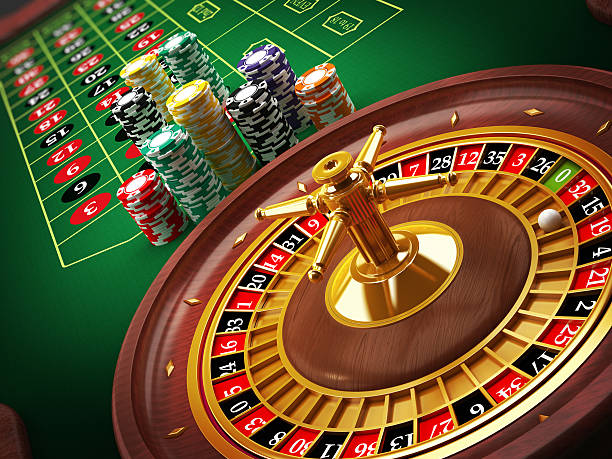
Discover Methspin Casino for a Responsible Gaming Experience
Methspin Casino offers a tailored online gaming platform designed with player safety in mind. With over 2,400 titles, including slot games and table options, the casino emphasizes a responsible gaming environment. Players can enjoy seamless transactions in Australian dollars, making their experience both convenient and enjoyable.
The platform’s commitment to user support is evident in its 24/7 assistance and fast withdrawal processing times. Methspin also features enticing bonuses, including welcome offers and cashback promotions, designed to enhance the gaming experience without encouraging excessive gambling. By prioritizing responsible gaming practices, Methspin Casino ensures a secure environment where players can have fun while remaining mindful of their limits.
By understanding the psychological effects of gambling on decision-making processes, players can engage with Methspin Casino in a more informed manner. This awareness, combined with the resources and support offered by the platform, allows for a balanced and enjoyable gaming experience, fostering a culture of responsible gambling.